
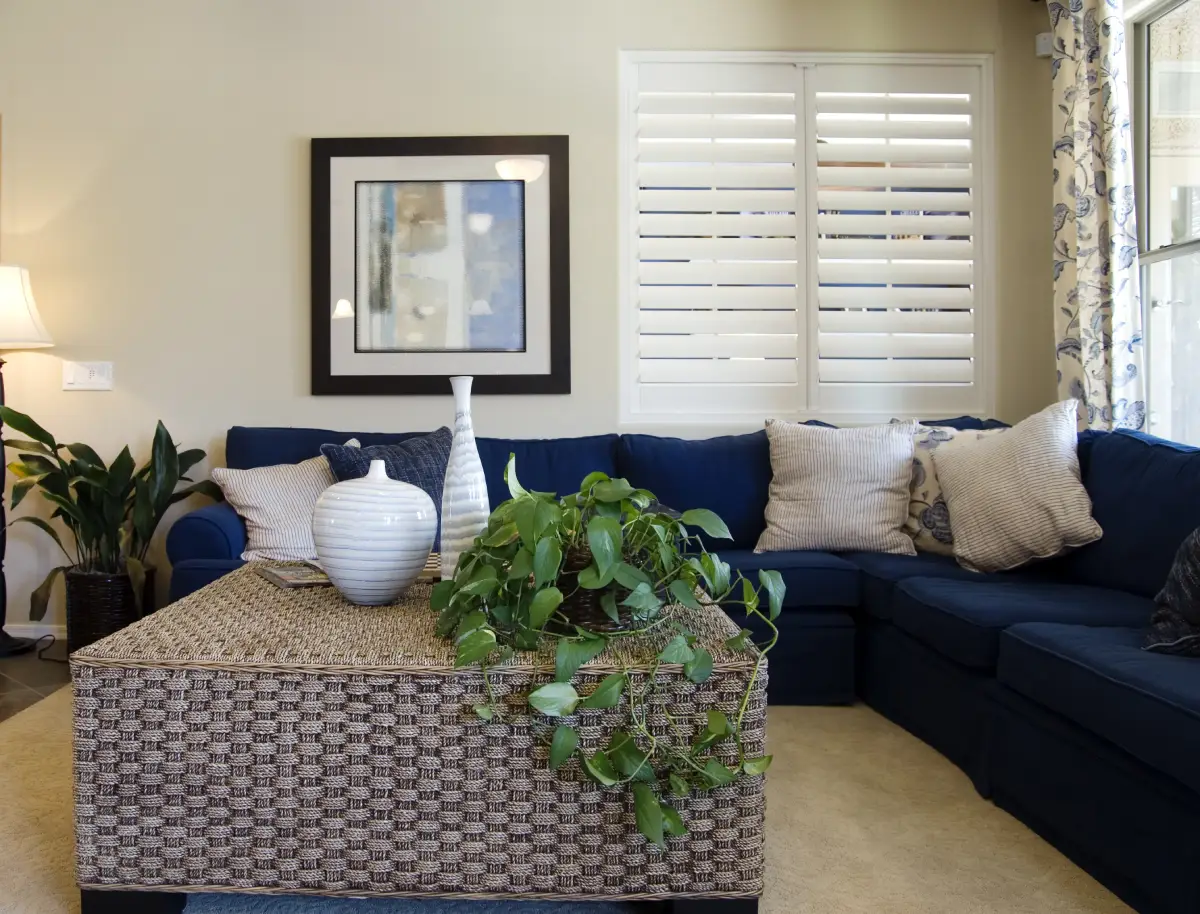
Perception often forms before a renter ever measures square footage, and perspectives influenced by insights like this breakdown of rental profitability insights can shape how space is judged almost instantly. In Walnut Creek’s residential rental market, layout decisions influence who applies, how quickly homes lease, and how comfortably tenants settle in over time.
At PMI Contra Costa, we help residential property owners look beyond finishes and focus on how a home actually functions day to day. This article explores how intentional floor plan choices support tenant comfort, reduce operational strain, and contribute to steadier long-term performance across Walnut Creek properties.
Key Takeaways
- Floor plans strongly influence leasing speed and tenant retention.
- Bedroom placement affects privacy and shared living balance.
- Flexible spaces support evolving lifestyle and work habits.
- Kitchen, laundry, and storage layouts shape everyday convenience.
- Thoughtful layouts help reduce wear and ongoing maintenance pressure.
Living Spaces That Support Natural Movement
The main living area often determines whether a rental feels welcoming or restrictive. Renters tend to respond positively to layouts that feel intuitive rather than overly segmented.
Open living areas allow light to travel through the home and make movement feel natural. According to the National Association of Home Builders, 54% of new homes feature open kitchen and dining layouts, highlighting the demand for connected living spaces.
Designed Around Daily Use
Layouts perform best when they support everyday routines. Renters value spaces that accommodate shared meals, quiet evenings, and casual gatherings without wasted square footage.
Extending Living Space Outdoors
Balconies, patios, and yard access add flexibility. In Walnut Creek, outdoor areas often act as extensions of the living space and can influence renter interest during showings.
Bedroom Placement That Encourages Comfort
Bedroom layout plays a key role in how well a household functions. Thoughtful placement supports privacy and reduces daily disruption.
Separation That Feels Intentional
Split-bedroom layouts allow occupants to maintain personal space while still sharing common areas comfortably. This works well for families, roommates, and shared households.
Minimizing Noise and Traffic
Bedrooms positioned away from kitchens and living rooms experience fewer interruptions. This matters for renters with varied schedules or work-from-home routines.
Private Areas That Support Stability
Functional closets and private bathrooms help tenants feel settled. Comfortable sleeping areas often contribute to longer lease terms and fewer turnovers.
Flexible Rooms That Adjust Over Time
Many renters now expect their homes to serve more than one purpose. Work, study, and creative activities frequently happen in the same space.
Recent workforce data shows 36.07 million remote part-time workers across the United States, reinforcing the value of adaptable layouts.
Multi-Use Space Planning
Flex rooms, lofts, or bonus spaces allow tenants to change how rooms are used without renovations. These areas may function as offices today and guest rooms later.
Properties that accommodate adaptability often reflect features discussed in this overview of luxury home design, where thoughtful layouts enhance livability.
Kitchens and Laundry Areas That Simplify Routines
Kitchens and laundry spaces shape daily habits more than almost any other areas. Layout efficiency often matters more to renters than decorative finishes.
Practical Kitchen Design
Clear paths between appliances improve usability. Adequate counter space and logical cabinet placement help renters imagine daily cooking without frustration.
Owners who protect these areas proactively often benefit from guidance found in this resource on maintenance coordination planning, which helps preserve high-use areas over time.
Laundry Placement That Feels Natural
In-unit laundry remains a strong expectation. Placement should feel accessible without interrupting main living areas to maintain comfort.
Layout Considerations for Modern Renter Expectations
Renter expectations continue to evolve, and layouts that reflect current preferences tend to perform more consistently.
- Open sightlines support shared routines and supervision.
- Durable flooring reduces wear in high-traffic areas.
- Outdoor access supports active lifestyles.
When these features align with renter priorities outlined in this overview of what renters value most, properties often attract stronger applications.
Storage and Accessibility That Improve Livability
Storage often determines whether a rental feels organized or cluttered. Even well-sized homes can feel limiting without enough storage.
Storage That Supports Organization
Closets, pantries, linen cabinets, and garage space help renters settle in comfortably and maintain order.
Flow and Accessibility
Single-story homes appeal to many renters, while multi-level layouts perform best when bedrooms and bathrooms are arranged logically. Direct garage access improves daily routines.
Owners who assess layout efficiency alongside insights found in this comparison of new versus older homes often make more informed decisions.
How Floor Plans Influence Long-Term Wear
Beyond comfort, floor plans affect how a property ages. Traffic patterns, room connections, and placement of high-use areas all influence wear.
Homes with narrow corridors or awkward transitions often concentrate foot traffic, leading to uneven flooring wear and scuffed walls. Layouts that distribute movement more evenly tend to age more gradually.
Room placement also affects system strain. Kitchens far from dining areas often see heavier appliance use, while laundry rooms along main walkways may experience higher moisture exposure. Thoughtful layouts help reduce these stress points naturally.
Understanding these patterns allows owners to align materials and finishes with real-world use, helping preserve condition and control maintenance costs.
FAQs about Creating the Best Floor Plan in Walnut Creek, CA
How does floor plan layout affect a tenant’s day-to-day comfort?
Layouts that minimize unnecessary walking, reduce bottlenecks, and provide clear transitions between rooms tend to feel more comfortable. When daily movement feels effortless, tenants often report higher satisfaction throughout their lease term.
Why do some floor plans feel calmer than others?
Calm layouts typically separate active areas from quiet zones. When bedrooms, workspaces, and living areas are placed thoughtfully, tenants experience fewer disruptions and a more balanced living environment.
Can floor plans influence how renters perceive space size?
Yes. Strategic room placement, open sightlines, and efficient storage can make homes feel larger than their actual square footage. Perception of space often matters as much as size itself.
How do floor plans impact long-term tenant habits?
Layouts guide how tenants use a home over time. When spaces support consistent routines, tenants are more likely to settle into predictable patterns that reduce strain on specific rooms or features.
What role does flexibility play in floor plan longevity?
Flexible layouts remain relevant as tenant needs shift. Homes that allow rooms to serve multiple purposes tend to perform better over time, as renters can adapt without needing to relocate.
Turning Livable Layouts Into Long-Term Value
A well-planned layout influences how a home feels on day one, but its real impact shows up over time. In Walnut Creek, rentals that continue performing well tend to be the ones where daily use, seasonal demands, and high-traffic areas are actively supported rather than left to chance.
At PMI Contra Costa, we focus on preserving how a property functions as tenants live in it, paying close attention to the spaces that experience the most wear. Take the next step to protect your rental’s daily operations with guidance that keeps your property efficient, reliable, and positioned for steady results.
When smart layouts are backed by consistent care, residential rentals stay appealing, practical, and easier to manage over the long term.